Daily Dream: A Font That Adds Personality to Your Web Design
Recently, I was working on a boutique online store’s homepage redesign. The client wanted something fresh, approachable, and modern. They had a strong brand identity but needed a font that would elevate their visual storytelling without overshadowing the content. After testing several options, I landed on Daily Dream. It wasn’t just another script font—it had a unique charm that felt both playful and professional.
A Playful Yet Professional Script Font
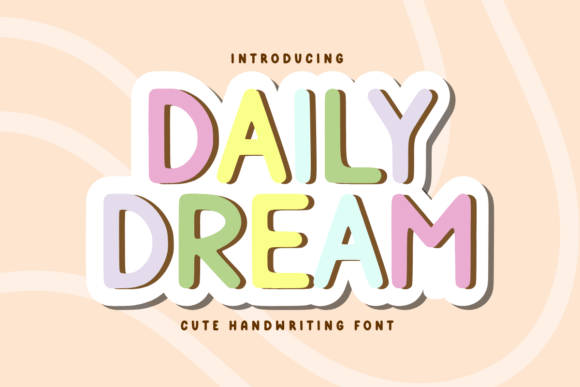
Daily Dream is a handwriting font with a modern twist. It carries a friendly, almost hand-drawn feel, making it ideal for creative brands or those looking to add a personal touch. Its curves are smooth yet distinct, giving it a sense of warmth and approachability. Unlike some overly ornate script fonts, Daily Dream maintains readability, which is crucial for web design where users often scan content quickly.
One of the things I appreciated most was its support for all English characters and standard punctuation. This made it versatile enough for a variety of use cases—from headers and hero sections to call-to-action buttons and product descriptions. It also included alternate glyphs and weights, which allowed for subtle variations in tone and emphasis.
Testing Daily Dream in a Real-World Project
I started by applying Daily Dream to the homepage hero section. The client had a high-quality image as the background, and I wanted the headline to stand out while maintaining a cohesive look. I placed the text over the image with a semi-transparent overlay, ensuring the font remained legible. The result was striking—Daily Dream added a layer of personality without being distracting.
Next, I tested it on mobile devices. Since many users access websites via smartphones, I needed to ensure the font performed well on smaller screens. I adjusted the line spacing and letter spacing slightly to improve readability. On dark backgrounds, the contrast was sufficient, but I noticed that on light backgrounds, the font could become less readable at smaller sizes. This led me to recommend using it more prominently in larger text elements like headlines rather than body copy.
Where to Use Daily Dream Effectively
Daily Dream shines in areas where a bit of character can make a big difference. Here are a few places I found it particularly useful:
- Hero Sections: For bold, attention-grabbing headlines that reflect the brand’s personality.
- Call-to-Action Buttons: To encourage user interaction with a friendly, inviting tone.
- Logo Text: Especially for creative studios, small businesses, or personal brands.
- Blog Headers: Adding a touch of creativity to editorial content without compromising readability.
- Product Landing Pages: Highlighting key features or promotions with a clean, modern look.
- Decorative Accents: As an accent font paired with a sans-serif body font for balance.
When used strategically, Daily Dream can help create a more engaging and memorable user experience. However, it’s important to pair it wisely. I often recommend pairing it with a simple sans-serif font for body copy to maintain clarity and ensure good contrast.
Font Pairing and Readability Tips
Pairing Daily Dream with a clean, modern sans-serif font like Montserrat or Lato creates a great contrast that enhances readability. This combination works especially well for blogs, landing pages, and digital brand kits. For a more editorial feel, you could pair it with a serif font like Georgia or Merriweather, though this might be less common for web design.
For optimal readability, I suggest using Daily Dream in larger text sizes, such as headings and subheadings. On smaller screens, it’s best to reserve it for decorative elements or short phrases. Always test your layout across different devices and screen sizes to ensure the font remains legible and visually appealing.
Key Considerations Before Using Daily Dream
Before implementing Daily Dream in a project, there are a few things to check:
- Webfont Availability: Ensure the font is available as a webfont (e.g., through Google Fonts or a commercial font service).
- File Formats: Confirm that the necessary file formats (like WOFF2) are included for cross-browser compatibility.
- Commercial Licensing: Make sure the font’s license allows for commercial use, especially if you’re building a website or online store.
- Multilingual Support: Check if the font supports any other languages the site might need to cater to a wider audience.
- Performance: Optimize the font loading to avoid slowing down the page load time, especially on mobile devices.
By considering these factors, you can ensure that Daily Dream not only looks great but also performs well within your digital project.
Final Thoughts on Daily Dream
Overall, Daily Dream is a fantastic choice for designers looking to add a touch of personality to their projects. It’s versatile enough to work in a wide range of contexts, from creative portfolios to boutique e-commerce sites. When used thoughtfully, it can enhance brand identity, improve user engagement, and contribute to a more polished online presence.